Float the Mulberry River
Wild and Scenic. Cold and clear. A hundred yards from your front door.
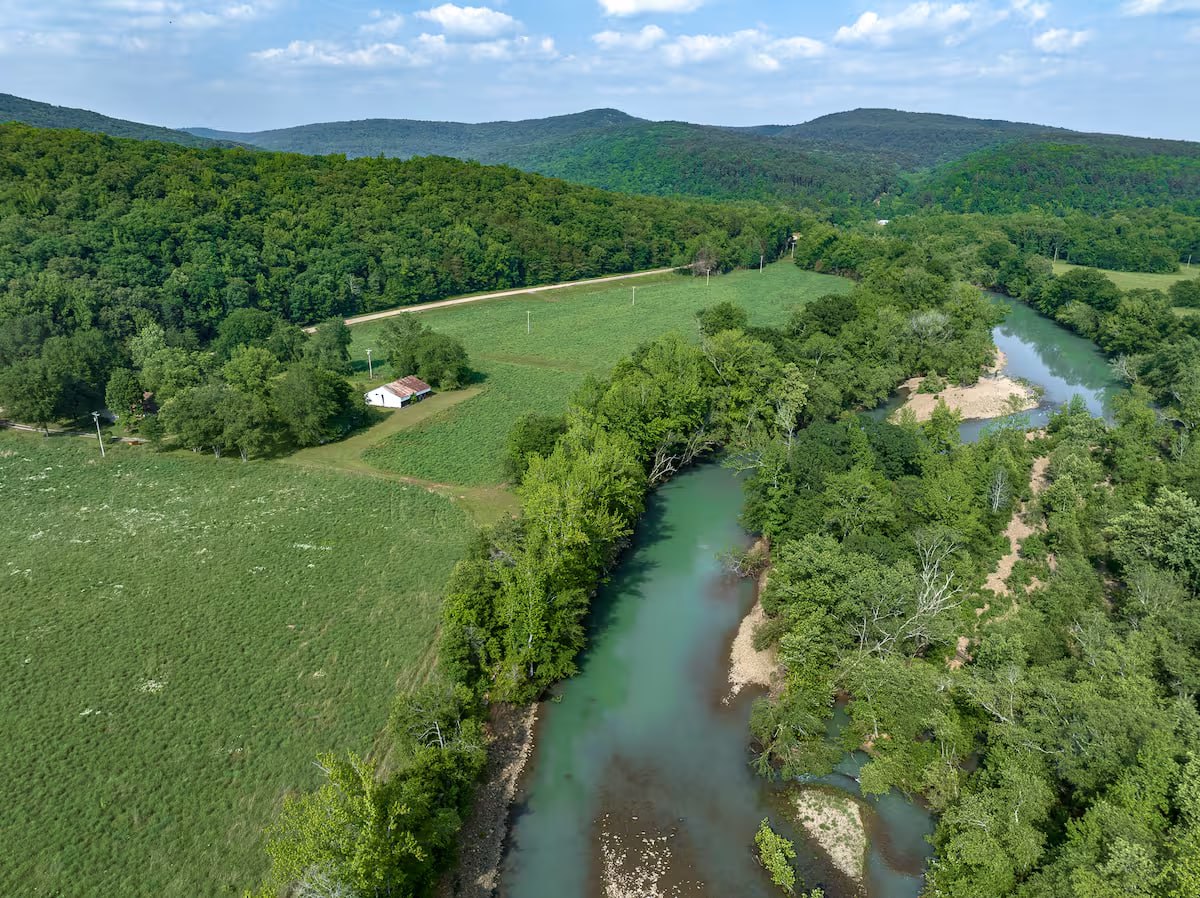
The Mulberry River is one of two federally designated Wild and Scenic Rivers in Arkansas. That designation exists because the river is exactly what it sounds like: wild, undeveloped, clear, and worth protecting. This guide is for anyone planning a float trip, paddling trip, or river visit to the Mulberry — what to expect, how to do it, where to go, and where to stay.
The Cass House sits 100 yards from the Mulberry River, between Redding Recreation Area (~2 miles) and Turner Bend (~3 miles) — the heart of the most-floated stretch of river.
River Character
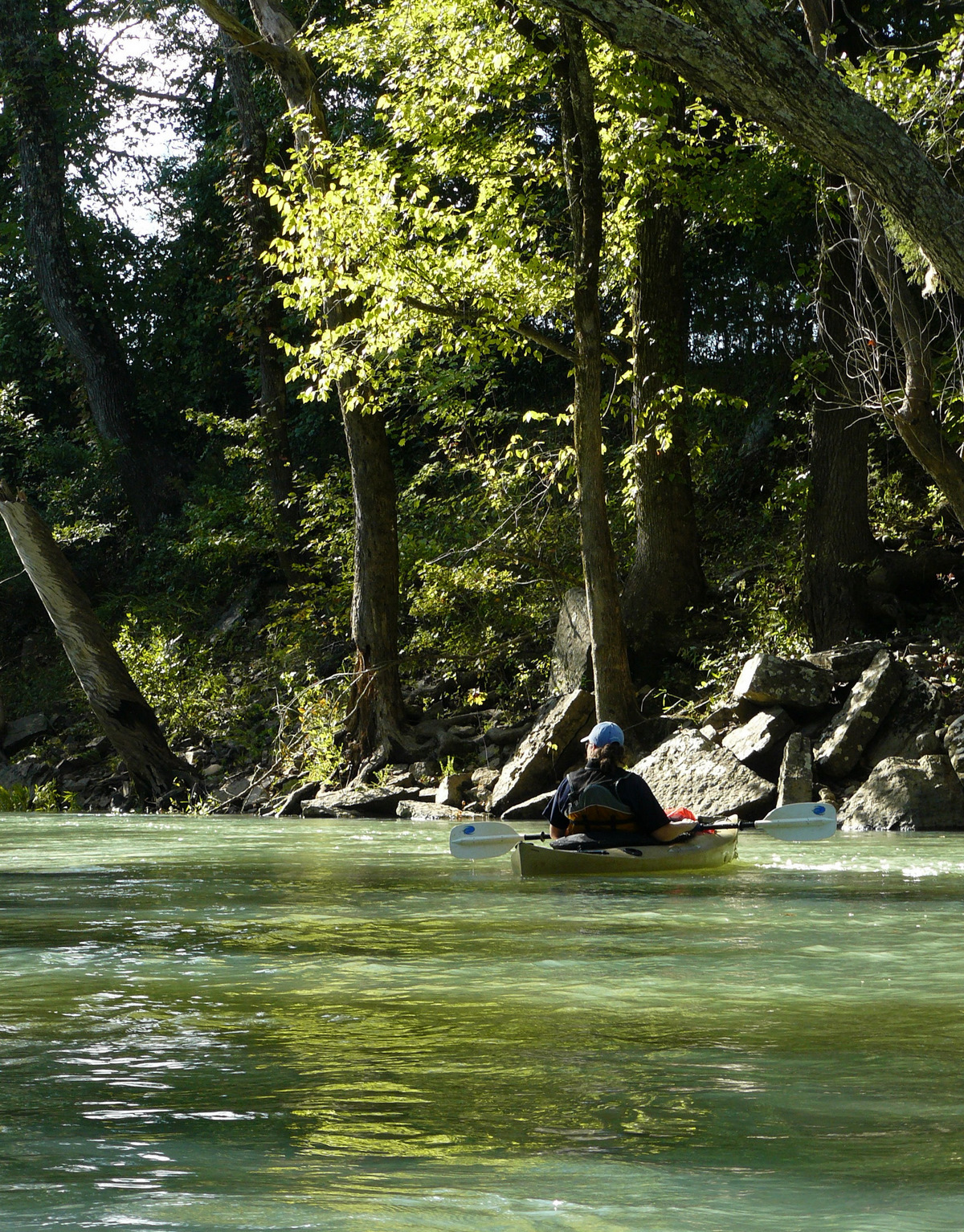
The Mulberry is an honest Ozark river. The water runs clear over a gravel-and-rock bottom through a valley of hardwood forest and sandstone bluffs. There are long, calm stretches perfect for beginners. There are rapids that will flip an unprepared boat when the water is up. There are gravel bars the size of small beaches where you’ll want to stop for an hour.
The Mulberry flows from east to west through the Ozark National Forest, mostly bounded by national forest on both sides — you paddle through one of the more remote-feeling river corridors in the mid-South without ever being far from a road. The floatable section runs roughly 40+ miles. Gradient is moderate — enough to generate whitewater at higher water, calm enough at low water for casual floating.
Difficulty Ratings
The Mulberry is rated Class I–III depending on current water conditions. The same river can be dramatically different in March versus August.
| Water Level | Overall Difficulty | Best For |
|---|---|---|
| Low (late summer/fall) | Class I | Beginners, families, swimming, wading |
| Moderate | Class I–II | Most recreational paddlers, casual floaters |
| High (spring/after rain) | Class II–III | Experienced paddlers, whitewater enthusiasts |
| Flood Stage | Class III+ | Advanced only; outfitters typically cancel rentals |
Key rapids: The river has several named rapids that become significant at higher water. Outfitters can brief you on current conditions before you put in — don’t skip that conversation.
Float Trip Options
Half-Day Float
Distance: ~6–8 miles | Time: 3–4 hours
Best for beginners, families with kids, and casual afternoon trips. Paddle, float, stop on gravel bars, swim. Not a workout — a very pleasant afternoon on a beautiful Ozark river.
Full-Day Float
Distance: ~12–18 miles | Time: 5–8 hours
The most popular option. Full day on the river — multiple gravel bar stops, lunch on the water, the river’s best scenery. Pack a lunch and a dry bag for your phone and valuables.
Multi-Day Float
Distance: Up to 40+ miles | Time: 2–3+ days
Camp on gravel bars overnight, cover the river’s full floatable length. Requires careful planning — coordinate with outfitters for shuttle service. Gravel bars in the national forest are generally available for primitive camping.
Put-In & Take-Out Spots
- Redding Recreation Area (~2 miles from Cass House) — developed Forest Service campground and access point; good parking, restrooms, manageable put-in
- Turner Bend (Hwy 23 junction) (~3 miles) — the classic access point; managed river access for over a century; great for multi-segment trips
- Campbell Cemetery, High Bank, Indian Creek — Forest Service access points farther downstream, maintained with support from Turner Bend Outfitters
Practical note: Outfitters handle shuttle logistics — they’ll drop your vehicles downstream so you don’t have to double back. Use them. It makes the whole thing easier.
Rental Outfitters
Turner Bend Outfitters
~3 miles on Hwy 23 (Pig Trail junction)
Operating at this location since 1911. They helped build the access points. They host the annual Jungle Boater Race. They know this river.
- Canoes, kayaks, and rafts
- Shuttle service and trip planning
- Current conditions updates
- Deli food, camping supplies
Byrd’s Adventure Center
~4 miles — since 1982
Larger-scale with more on-site amenities. Good option if part of your group wants to camp near the river while others stay at the Cass House.
- Canoes, kayaks, and rafts
- Camping, lodging, RV sites
- Riverfront restaurant (check seasonal hours)
Swimming Holes
The Mulberry is excellent for swimming. The water is clear, cold, and clean — fed by Ozark springs through a forest watershed.
- Gravel bars: Long, shallow approaches to deeper pools — perfect for kids who want to wade in gradually
- Below rapids: Natural pools form below most significant drops — great swimming at moderate water levels
- Bluff base pools: Where sandstone bluffs meet the river, the water is deeper and the shade makes a perfect hot-day swim
From the Cass House: River access is a 100-yard walk. In the evenings after a long day, the river is there. You don’t have to plan it — just walk down.
What to Bring on the River
Gear
- Life jackets (PFDs) — outfitters provide
- Dry bags for phone, wallet, keys, camera
- Waterproof sunscreen
- Water shoes or sandals with straps (flip flops come off in rapids)
- Wide-brim hat and sunglasses with retainer strap
Provisions & Safety
- More water than you think — you’ll sweat more than you realize
- Lunch packed in a dry bag
- Snacks for gravel bar stops
- Trash bag — pack everything out
- Whistle attached to PFD
- Know the takeout point before you leave the put-in
- Tell someone your float plan and expected return time
Best Times of Year
| Season | River Conditions | Best For |
|---|---|---|
| March–May | High to moderate water, best whitewater | Experienced paddlers, whitewater trips |
| June–July | Moderate, warm | Family floats, beginners, swimming |
| August–September | Low water, very clear | Swimming, wading, casual floats |
| October–November | Variable; beautiful fall foliage | Scenic floats, uncrowded |
| December–February | Cold, sometimes unfloatable | Not recommended for most visitors |
Why Stay at Cass House for Your River Trip
- A real kitchen: Cook breakfast before you put in, make a real dinner when you come off the water
- Real beds and showers: After a 7-hour float in July sun, a real shower and bed are not trivial
- 100-yard river access: Evenings at the house aren’t separate from the river — walk down and swim whenever
- Space for gear: 10 acres to dry gear, clean equipment, and spread out
- Central location: Between Redding and Turner Bend — float different stretches on different days